5 Signs of Chicken’s Malnutrition & How to Prevent it?
Raising healthy, productive chickens is a goal every poultry farmer shares. Yet, one of the most frustrating challenges is when eggs fail to hatch—not because of poor fertility, but because embryos never develop properly. This early embryo loss often leaves farmers puzzled, wondering if their flock’s fertility is to blame. In reality, one of the biggest underlying factors is malnutrition.
When your birds are not receiving the right balance of nutrients, it sets off a chain reaction that directly impacts egg quality, embryo development, and ultimately, hatchability rates. Let’s break down why malnutrition is such a critical concern for fertility and what you can do to prevent losses in your flock.
Why Malnutrition Affects Fertility
Nutrition is the foundation of life. For chickens, the nutrients they consume not only sustain their daily activities but also determine the quality of the eggs they produce. If essential nutrients are missing, eggs may be laid but lack the strength, vitality, or internal balance needed to support a developing embryo.
Some common nutritional deficiencies that directly impact fertility include:
- Protein deficiency – Protein is crucial for egg formation and the development of the embryo. Without adequate protein, eggs may be undersized, weak, or incapable of sustaining life.
- Vitamin deficiencies – Vitamins A, D, and E are especially critical. Vitamin A helps in tissue development, Vitamin D supports calcium absorption for strong eggshells, and Vitamin E protects against embryo mortality.
- Mineral imbalance – Calcium and phosphorus are not only essential for eggshell quality but also for the growth of the embryo. A deficiency or imbalance can lead to fragile eggs or embryo death.
Non-Nutritional Factors That Complicate the Picture
It’s important to note that not all embryo deaths are caused by fertility problems or malnutrition alone. Sometimes, environmental or management factors contribute:
- Improper storage – Eggs stored at extreme temperatures (too hot or too cold) before incubation can compromise embryo survival.
- Interrupted incubation – If a hen starts incubating, then abandons the eggs, the fluctuation in temperature can harm embryo viability.
- Diseases – Some infections weaken hens, making them incapable of producing healthy eggs regardless of nutrition.
Still, poor nutrition is often the underlying factor that leaves embryos vulnerable in the first place.
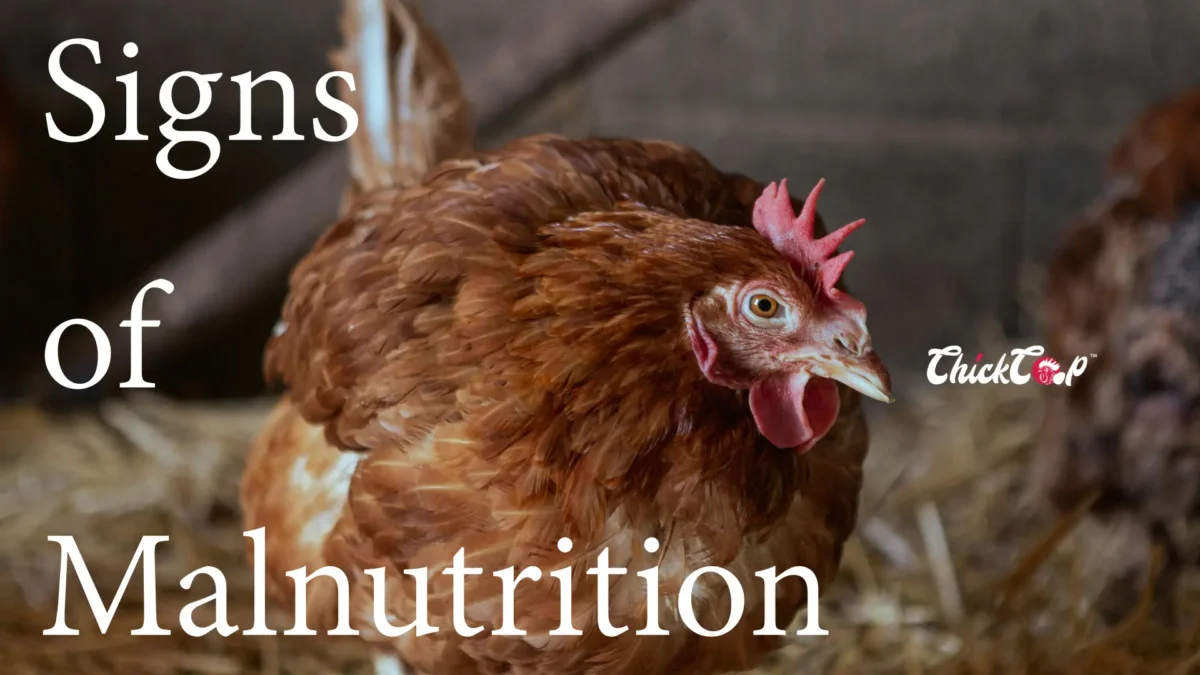
Recognizing the Signs of Malnutrition in Your Flock
Farmers often ask: *How do I know if malnutrition is affecting my flock’s fertility?* Here are some warning signs to watch for:
- Declining hatchability rates despite good rooster-to-hen ratios.
- Soft-shelled or thin-shelled eggs, a clear sign of calcium and vitamin D deficiency.
- Pale combs and wattles, suggesting poor blood circulation or lack of vitamins.
- Low egg production, indicating energy or protein deficiencies.
- Early embryo deaths when candling eggs, showing that embryos fail to progress past the first few days.
If you are noticing two or more of these signs, it’s time to re-evaluate your flock’s diet.
How to Improve Fertility Through Nutrition
The good news is that correcting malnutrition can dramatically improve hatchability rates. Here are a few practical steps:
- Balanced feed formulation – Invest in a scientifically formulated poultry feed that includes the right mix of grains, protein sources, vitamins, and minerals.
- Supplementation – During breeding seasons, consider adding vitamin and mineral supplements to boost fertility.
- Fresh greens and grains – Providing natural forages such as alfalfa, kale, or sprouted grains can enhance vitamin intake.
- Clean water supply – Contaminated or limited water can reduce nutrient absorption, even if your feed is balanced.
Why Acting Early Matters
Every unhatched egg represents lost time, energy, and profit. When embryo deaths stack up, farmers may mistakenly cull roosters or replace hens, thinking fertility is the issue. In many cases, however, the problem can be solved simply by improving the flock’s nutrition.
By focusing on feed quality and ensuring your birds are well-nourished, you not only protect embryo development but also enhance the overall productivity and longevity of your flock.
Final Thoughts
Fertility problems in chickens are not always about weak roosters or infertile hens. Sometimes, the root cause lies in what’s on their plate. Malnutrition silently undermines egg quality, embryo survival, and hatch rates, leaving farmers with losses that could have been avoided.
If you’ve been facing issues with early embryo deaths or declining hatchability, the solution might be as simple as a nutritional reset for your flock.
📞 At ChickCoop®, we specialize in guiding poultry farmers to overcome fertility and nutrition challenges. Call us today to discuss tailored feeding strategies and solutions that can help improve your hatchability rates and flock health.
At ChickCoop®, we’re more than just a Chicken Company, writing interesting blogs about them– we’re your trusted partner in building a modernized, sustainable and profitable farm. From breed selection to buy-back support, feed guidance, and modern farm management tips, we ensure farmers like you achieve the best results and profits.
Call us today to discuss your farming needs
📧 Email us at: write@chickcoop.in
📞 Call us: +91-9939209699