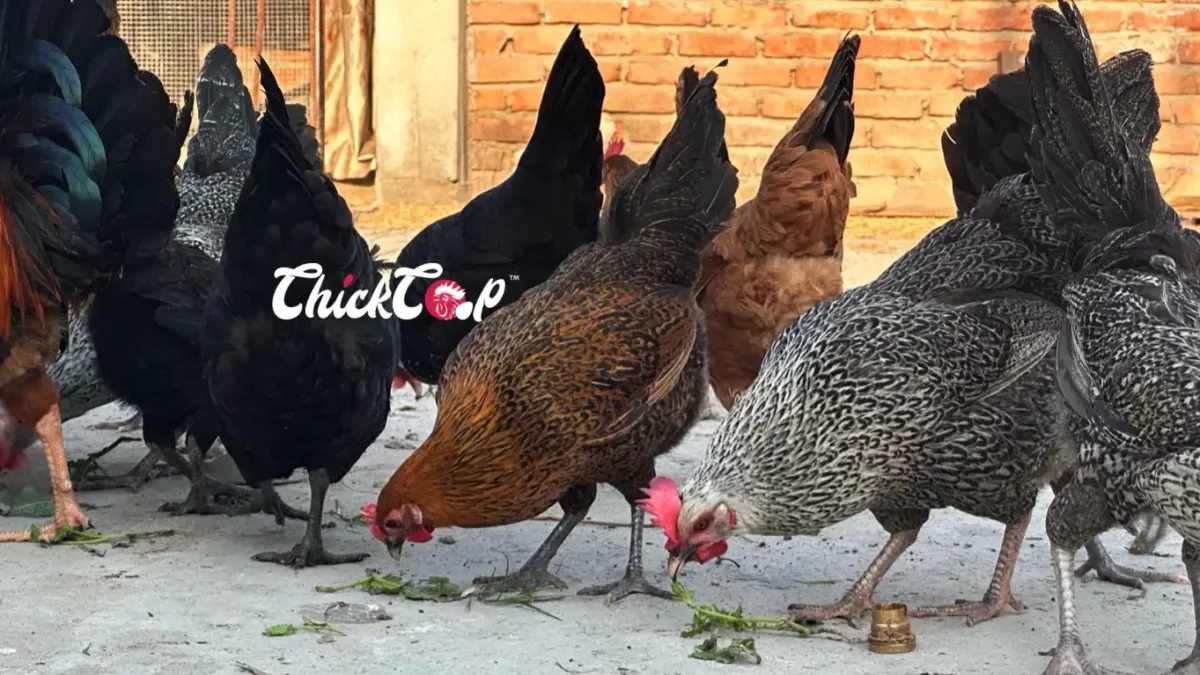
Feeding Table Scraps to Chickens: Healthy Treats or Hidden Risks?
Raising backyard chickens comes with countless joys—fresh eggs, lively personalities, and the satisfaction of knowing you’re giving them a good life. For many poultry keepers, the thought of tossing kitchen scraps or garden waste to their flock feels natural. After all, why let food go to waste when your chickens can enjoy it?
Feeding table scraps can indeed cut down on feed costs and add variety to your flock’s diet. However, not all scraps are created equal. Some can enrich their health, while others can quietly harm their digestion, egg production, or even their lifespan. Knowing the difference is key to keeping your flock strong and your eggs healthy.
In this blog, we’ll explore the dos and don’ts of feeding table scraps—and by the end, you’ll know exactly how to keep your chickens happy, healthy, and productive.
Why Scraps Appeal to Chickens
Chickens are natural foragers. In the wild, they scratch the ground looking for seeds, insects, and plants. When you give them kitchen scraps, you’re tapping into that instinct. Scraps add excitement to their routine, stimulate natural behavior, and supplement their diet with new tastes and textures.
But here’s the catch—scraps should never replace a balanced poultry feed. Chickens require precise levels of protein, vitamins, and minerals to lay eggs consistently and maintain strong immunity. When scraps go beyond 10% of their daily diet, nutritional imbalances start creeping in.
What You SHOULDN’T Feed Chickens
While chickens are adventurous eaters, some common household scraps can be harmful. Avoid these to protect your flock:
- Fried Foods: Greasy or heavily processed foods are difficult to digest and can stress their organs.
- Dried Beans & Raw Potato Peels: These contain compounds that are toxic until cooked. Never serve them raw.
- Onions, Garlic & Fish: While not outright toxic, they can change the flavor of your eggs and meat.
- Avocado Pits and Skins: These contain persin, which is harmful to birds. Only the green flesh is safe, and even then, it should be offered sparingly.
- Caffeine & Alcohol: Just like with humans, these substances are dangerous and can even be fatal.
- Sugary, Fatty, or Artificially Sweetened Foods: These can cause obesity, slow growth, and poor egg production.
- Spoiled or Rotten Food: Chickens can develop illnesses from bacteria and mold, so if you wouldn’t eat it, don’t give it to them.
- Raw Eggs or Whole Shells: Feeding these can encourage egg-eating behavior, a habit that’s tough to break. Always cook eggs and crush shells finely before offering them.
Five Scraps That Are *Good* for Chickens
Now for the good news—many scraps are not just safe but beneficial. Some healthy options include:
- Cooked vegetables like carrots, peas, and pumpkins.
- Fruits such as apple slices (without seeds), watermelon rinds, and berries.
- Cooked rice, pasta, and oats in small amounts.
- Cooked eggs and finely crushed shells for extra protein and calcium.
- Leafy greens like kale, lettuce, and spinach.
The key is moderation and variety. Rotate the types of scraps you give to avoid overloading your flock with any one food.
Tips for Feeding Scraps Safely
To make scraps a safe and enjoyable part of your chickens’ diet, follow these guidelines:
1. Balance First: Scraps should never exceed 10% of their diet. Their main nutrition should come from a high-quality poultry feed.
2. Cook What Needs Cooking: Beans, potatoes, and eggs should always be cooked before feeding.
3. Chop or Mash: Smaller pieces are easier for chickens to eat and reduce waste.
4. Introduce Slowly: New foods should be added gradually to avoid digestive upset.
5. Timing Matters: Offer scraps later in the day so chickens eat their regular feed first.
Why It Matters
The right feeding habits translate directly into better egg production, healthier hens, and fewer vet visits. When scraps are handled correctly, they make your flock more resilient and reduce your feed costs. But done wrong, they can stunt growth, reduce laying, or even cause illness.
Every chicken keeper has slightly different goals—whether it’s maximizing egg yield, raising meat birds, or simply keeping a happy backyard flock. That’s why it helps to get personalized guidance on feed plans, supplements, and nutrition strategies.
Ready to Improve Your Flock’s Diet?
Feeding your chickens is more than just throwing scraps into the coop—it’s about ensuring they get the right balance for long-term health and productivity. If you’ve ever wondered:
- Am I giving the right kind of scraps?
- Could my chickens’ diet be affecting their egg production?
- What supplements should I add to balance nutrition?
We can help.
Call us today to speak with our poultry experts. Whether you’re a backyard hobbyist or running a farm, we’ll guide you on the best feeding practices to keep your chickens strong, healthy, and laying at their best.
With the right knowledge and support, table scraps can become a safe and fun way to add variety to your chickens’ diet—without compromising their health. Don’t wait until problems show up in your coop. Reach out now and let’s build a healthier flock together!
At ChickCoop®, we’re more than just a Chicken Company, writing interesting blogs about them– we’re your trusted partner in building a modernized, sustainable and profitable farm. From breed selection to buy-back support, feed guidance, and modern farm management tips, we ensure farmers like you achieve the best results and profits.
Call us today to discuss your farming needs
📧 Email us at: write@chickcoop.in
📞 Call us: +91-9939209699