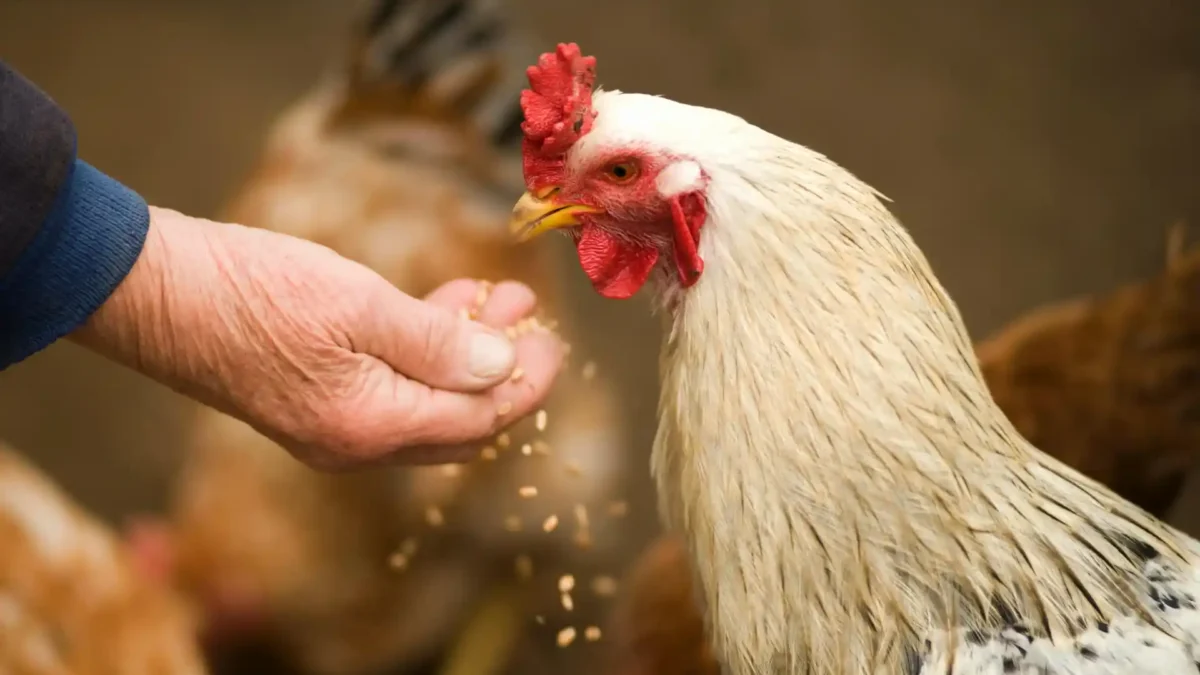
How To Make Your Own Chicken Feed
Raising chickens is more than just a hobby—it’s a lifestyle that connects you to the food you eat and the health of your family. For many backyard farmers and homesteaders, one of the most rewarding steps in this journey is making your own chicken feed. Whether you’re aiming for non-GMO or organic options, crafting a homemade feed gives you more control, better quality, and, most importantly, a healthier flock.
Unlike uniform commercial pellets, homemade feed is vibrant, fresh, and full of variety. You’ll notice the difference immediately—whole grains, colorful seeds, and leafy greens look as nourishing as they are nutritious. Beyond the aesthetics, the real advantage lies in customization: you can tweak the formula to perfectly match your chickens’ needs, ensuring they grow strong, lay high-quality eggs, and stay healthy year-round.
Why Choose Homemade Feed?
1. Control Over Ingredients
When you make your own feed, you decide what goes into it—and what doesn’t. No fillers, no mystery ingredients, no GMOs. Every grain and supplement is handpicked, ensuring that your chickens get only the best.
2. Longer Shelf Life
Whole grains have a natural advantage over processed pellets—they stay fresher for longer. This means you can prepare feed in bulk without worrying about it spoiling quickly.
3. Tailored Nutrition
Not all flocks are the same. Growing chicks, laying hens, and meat birds each have different nutritional needs. With homemade feed, you can adjust protein, vitamins, and minerals as needed.
4. Cost Efficiency
Depending on where you source your grains, making your own feed can be cost-effective in the long run, especially when compared to premium organic brands.
5. Satisfaction & Connection
There’s something deeply satisfying about watching your chickens thrive on feed you’ve created yourself. It strengthens your bond with them and gives you peace of mind knowing exactly what they’re eating.
Key Ingredients for Homemade Chicken Feed
Creating balanced feed isn’t as intimidating as it may sound. Think of it as building blocks: carbohydrates for energy, proteins for growth, fats for health, and vitamins/minerals for overall balance.
1. Base Ingredients
These form the foundation of your feed mix:
- Whole Grains: Corn, wheat, barley, oats, and millet provide carbohydrates and energy.
- Protein Sources: Legumes like soybeans, peas, and lentils are great for boosting protein (aim for 15–18%).
- Seeds: Sunflower seeds and flaxseeds add protein, healthy fats, and essential fatty acids.
- Greens: Alfalfa, kale, spinach, or dried herbs supply vital vitamins and minerals.
2. Supplements for Optimal Health
Even with a solid base, chickens require additional nutrients to stay at their best:
- Calcium: Crushed eggshells or oyster shells ensure strong eggshells and healthy bones.
- Grit: Small stones help chickens grind food in their gizzards, aiding digestion.
- Minerals: A balanced mineral mix can supply selenium, zinc, manganese, and other essentials.
- Vitamins: Vitamins D and E support immunity and overall health.
Tips for Success
1. Start Simple
If you’re new, begin with a basic grain-legume-seed mix and gradually introduce supplements. Observe how your flock responds.
2. Experiment and Adjust
Every flock is unique. Some may lay better with higher protein; others might benefit from more greens. Adjust your recipe over time.
3. Avoid Imbalances
Too much of one ingredient can throw off nutrition. For example, excess corn can lower protein levels, leading to fewer eggs. Balance is the key.
4. Watch Your Chickens
Your flock will tell you if the feed is working. Bright eyes, shiny feathers, good egg production, and active behavior are all signs of proper nutrition.
The Joy of Homemade Feeding
Imagine scooping a colorful mix of grains, seeds, and greens into your feeder and watching your chickens rush over with excitement. It’s not just feed—it’s a gift of health and vitality. Your hens will reward you with rich, golden-yolked eggs and your broilers will grow strong and naturally.
Moreover, sourcing from local farmers or organic suppliers not only boosts your feed quality but also supports your local agricultural community.
Is Homemade Feed Right for You?
While making your own feed offers countless benefits, it’s not without challenges. You’ll need to put in some planning, sourcing, and a bit of trial-and-error. But once you get the hang of it, it becomes second nature.
If you’re serious about giving your flock the best nutrition possible, learning how to craft a custom feed mix is one of the smartest investments you can make.
Ready to Get Started?
Making your own chicken feed doesn’t have to be overwhelming—we’re here to help. Whether you need a starter recipe, advice on sourcing non-GMO or organic grains, or guidance on balancing nutrition, we’d love to talk to you.
At ChickCoop®, we’re more than just a Chicken Company, writing interesting blogs about them– we’re your trusted partner in building a modernized, sustainable and profitable farm. From breed selection to buy-back support, feed guidance, and modern farm management tips, we ensure farmers like you achieve the best results and profits.
Call us today to discuss your farming needs
📧 Email us at: write@chickcoop.in
📞 Call us: +91-9939209699