What Does My Chicken Need? A Complete Guide to Flock Nutrition
Raising healthy, active, and productive chickens begins with one crucial foundation: balanced nutrition. Just like humans, chickens thrive when they get the right blend of vitamins, minerals, and protein. Without it, egg production drops, immunity weakens, and growth slows. To keep your flock happy and productive, it’s important to know exactly what nutrients they need, why they need them, and how to provide them consistently.
Balanced Nutrition for Chickens
Here’s a quick look at the essential nutrients that your flock relies on every day:
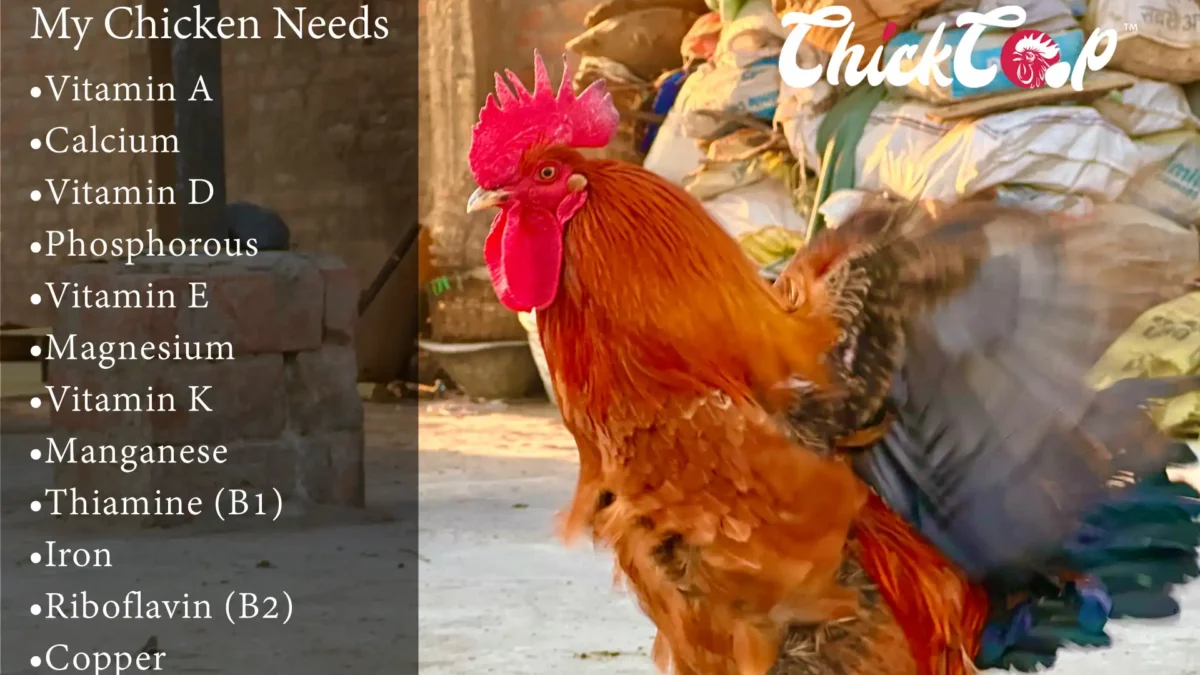
| Vitamins | Minerals | Protein |
| Vitamin A | Calcium | 15%–18% protein intake |
| Vitamin D | Phosphorous | |
| Vitamin E | Magnesium | |
| Vitamin K | Manganese | |
| Thiamine (B1) | Iron | |
| Riboflavin (B2) | Copper | |
| Vitamin B12 | Iodine | |
| Folic Acid | Zinc | |
| Biotin | Cobalt | |
| Pantothenic Acid | ||
| Choline |
Each of these nutrients plays a unique role in your chickens’ development, immunity, and egg-laying performance. Let’s explore some key areas in more detail.
Calcium – The Eggshell Builder
Calcium is arguably the most important mineral for laying hens. Every eggshell is made up of about 95% calcium carbonate, meaning hens must have consistent access to calcium-rich sources.
Here’s why calcium matters:
- Strong bones: Hens pull calcium from their bones to form eggs if their diet doesn’t provide enough.
- Healthy eggshells: Without sufficient calcium, eggs become thin-shelled or misshapen.
- Feather strength: Calcium deficiency can also lead to brittle feathers and reduced overall health.
Older hens and those producing eggs daily need extra calcium. While hens grazing outdoors may get some calcium from insects and beetles, it’s rarely enough on its own. In hot weather, when chickens eat less, calcium intake can drop even further.
How to Provide Calcium Safely:
- Offer calcium supplements (like crushed oyster shells) separately so hens can self-regulate their intake.
- Reuse eggshells by cleaning, drying, and crushing them before feeding back to the flock.
- Ensure hens get phosphorous and vitamin D, which help with calcium absorption. Sunlight exposure of at least 30 minutes a day provides natural vitamin D.
Tip: Always dry eggshells thoroughly—either in the sun for 2 days, bake at 300°F (150°C) for 10 minutes, or microwave for 90 seconds. This prevents mold and bacteria.
Cholesterol – Friend or Foe?
Cholesterol often gets a bad reputation, but it’s actually vital for both chickens and humans. Chickens need cholesterol to:
- Produce sex hormones.
- Convert sunlight into vitamin D.
Egg yolks are naturally rich in cholesterol. A large yolk contains about 185 mg of cholesterol but only 1.5 grams of saturated fat, making eggs a unique food that provides energy without an overload of unhealthy fats.
Interestingly, a hen’s diet directly affects the cholesterol levels in her eggs:
- Pasture-raised hens or those fed 10% flaxseed lay eggs with about 25% less cholesterol.
- Darker yolks (from hens eating greens) often have richer nutrition, while lighter yolks may indicate a less varied diet.
- Eggshell color doesn’t matter—white, brown, green, or blue eggs all contain similar cholesterol levels.
Protein – Growth, Feathers, and Productivity
Protein is the building block of life. For chickens, it fuels muscle development, feather growth, and strong egg production. Your flock needs about 15–18% protein in their diet.
- Chicks need higher protein (around 18–20%) to grow quickly.
- Laying hens thrive at 16–18% protein.
- Molting hens require extra protein since feather regrowth is demanding.
Protein sources include soybean meal, fish meal, peas, insects, and forage. Balanced feed typically contains the correct protein levels, but allowing chickens to free-range adds natural diversity.
Vitamins and Minerals – The Unsung Heroes
While protein and calcium get most of the attention, vitamins and trace minerals quietly support your flock’s overall health:
- Vitamin A: Boosts immunity and vision.
- Vitamin D: Regulates calcium absorption.
- Vitamin E: Protects against stress and boosts fertility.
- Vitamin K: Essential for blood clotting.
- B Vitamins: Keep energy levels high and support metabolism.
- Zinc, manganese, and iodine: Vital for eggshell strength, feather quality, and thyroid function.
Without these, chickens may face poor growth, reduced egg laying, and increased vulnerability to disease.
The Bottom Line
A chicken’s diet directly impacts its productivity, health, and egg quality. When your flock gets the right balance of vitamins, minerals, protein, and calcium, they reward you with strong eggs, glossy feathers, and energetic behavior.
If you want healthier hens, better eggs, and a productive flock, it all starts with nutrition.
At ChickCoop®, we’re more than just a Chicken Company, writing interesting blogs about them– we’re your trusted partner in building a modernized, sustainable and profitable farm. From breed selection to buy-back support, feed guidance, and modern farm management tips, we ensure farmers like you achieve the best results and profits.
Call us today to discuss your farming needs
📧 Email us at: write@chickcoop.in
📞 Call us: +91-9939209699