What Energy in Chicken’s Nutrition Means?
In poultry farming, energy is one of the most critical factors that determine the health, growth, and productivity of chickens. Just like humans rely on calories to fuel daily activities, chickens require energy to sustain life, maintain body temperature, and support growth and egg production. Without adequate energy, flocks can quickly decline in performance, leading to weaker birds and lower farm profitability.
What is Energy in Chicken Nutrition?
In nutritional terms, energy is measured in calories. For chickens, the primary energy source comes from carbohydrates found in starchy grains like corn, oats, and wheat. These grains are rich in starch, the vital fuel that powers daily activities such as walking, scratching, laying eggs, and even regulating body heat.
If the diet lacks energy, chickens begin to use protein for energy instead of growth and egg production, leading to serious deficiencies. Over time, this can result in birds that are stunted, weak, or fail to reach their laying potential.
Why Energy Matters for Chickens
Energy is the foundation of every function in a chicken’s body:
- 🐤 Chick Development:
Young chicks need high-energy diets to fuel rapid growth.
- 🥚 Egg Production:
Laying hens convert dietary energy into strong, consistent egg output.
- 🍗 Meat Birds:
Broilers require carefully balanced rations to grow efficiently without accumulating excessive fat.
- 🛡️ Immunity & Vitality:
Energy supports strong immune responses, helping birds resist disease.
Without proper energy intake, all these functions slow down, and farmers face significant productivity losses.
Balancing Energy with Protein
While carbohydrates provide energy, protein builds muscle, tissue, and eggs. If energy levels are too low, chickens will burn protein for energy, which is costly and inefficient. On the other hand, if energy levels are too high, birds may gain excess fat, reducing efficiency.
That’s why balanced rations are essential. A commercial poultry ration typically includes corn for energy, soybean meal for protein, and a mix of vitamins and minerals. This combination ensures that chickens get the right fuel without compromising growth or productivity.
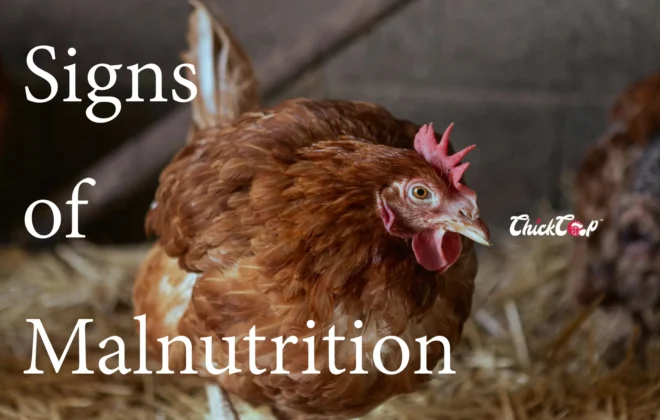
Signs of Energy Deficiency in Chickens
Poultry keepers should watch for these warning signs that flocks may not be getting enough energy:
- Reduced feed intake
- Poor feather condition
- Decline in egg size or production
- Stunted growth in young birds
- Weakness or lethargy
If you observe any of these, it may be time to reassess the diet.
Final Thoughts
Energy is more than just “fuel” for chickens—it’s the foundation of their overall vitality and farm productivity. By providing energy-rich grains like corn, oats, and wheat in balanced rations, farmers can ensure healthy growth, strong immunity, and high egg or meat yields.
At ChickCoop®, we’re more than just a Chicken Company, writing interesting blogs about them– we’re your trusted partner in building a modernized, sustainable and profitable farm. From breed selection to buy-back support, feed guidance, and modern farm management tips, we ensure farmers like you achieve the best results and profits.
Call us today to discuss your farming needs
📧 Email us at: write@chickcoop.in
📞 Call us: +91-9939209699
Need expert advice on formulating the right energy-balanced feed for your flock? Call us today and discover how to keep your chickens healthier, more productive, and full of vitality!