Maintaining the Coop: Daily Practices for a Healthier Flock
Housing plays a far more critical role in a chicken’s lifespan than most farming guides give credit for. As someone who has spent years working directly with poultry farmers across India—especially under contract farming and franchise models—I’ve come to realize that coop maintenance isn’t just about keeping things tidy. It’s a crucial part of flock health, egg productivity, and farm profitability.
Surprisingly, many books on poultry farming barely mention this. That’s why I felt compelled to share my first-hand experience in maintaining chicken coops—from daily tasks to weekly checkups and monthly deep cleans. Let’s begin with the daily routine, which forms the foundation of a healthy, happy flock.
Your Daily Coop Checklist
Keeping your coop in top shape requires consistency. A small slip in routine can invite contamination, stress your birds, and decrease egg production. Here’s your go-to daily plan:
1. Feed and Water Supplement Checks
Even if your farm is equipped with tech-enabled systems like IoT-based automated feeders and drinkers, never skip physical inspection.
Sometimes, systems malfunction. Other times, water might be contaminated with feces or dust, or the levels might drop too low. Regardless of automation, you—or a trained worker—must check all feeding and watering points. Clean, fresh water and properly stored feed should be non-negotiable on your checklist.
2. Floors and Bedding Cleanliness
Moisture is a silent killer in chicken coops.
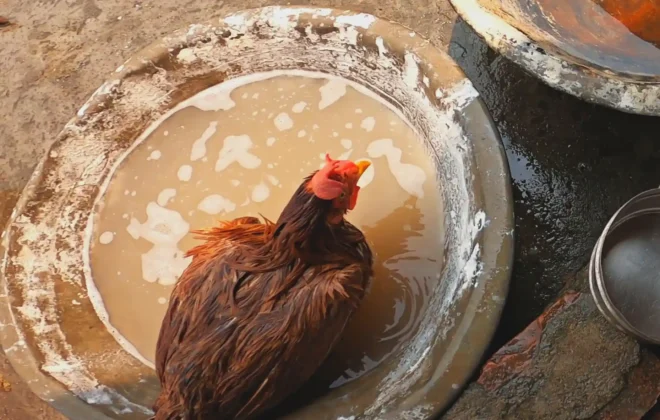
Whether it’s water spilled by excited birds or dampness from cleaning, wet floors can breed harmful bacteria. These pathogens spread diseases rapidly across your flock. That’s why your daily task must include ensuring dry, clean bedding and proper disposal of any waste. It’s the simplest way to prevent long-term health issues.
3. Egg Collection (for Layer Breeds)
If you raise layers, egg picking must become a part of your daily rhythm. Hens typically lay eggs between 9:00 AM and 2:00 PM, so your ideal time to collect eggs would be around 3:00 PM.
This not only ensures eggs are gathered before they risk contamination or breakage but also gives you time to inspect nests and observe hen behavior—another subtle yet valuable indicator of coop health.
Final Thought
The heart of any poultry operation lies in the routine. These small, consistent actions—inspecting water, checking feed, drying floors, collecting eggs—may seem mundane, but they are the cornerstone of poultry health and productivity.
In the upcoming chapters, I’ll dive deeper into weekly and monthly plans for coop maintenance, touching on disinfection routines, pest control, equipment upkeep, and seasonal checks. Until then, treat your coop like your kitchen: clean, well-stocked, and checked every day.
📌 ChickCoop® Tip:
Even with tech on your side, your eyes and instincts are the best tools you have as a poultry farmer. Walk your coop daily. Listen. Observe. Smell. These senses will tell you more than any sensor ever could.
At ChickCoop®, we’re more than just a Chicken Company, writing interesting blogs about them– we’re your trusted partner in building a modernized, sustainable and profitable farm. From breed selection to buy-back support, feed guidance, and modern farm management tips, we ensure farmers like you achieve the best results and profits.
Call us today to discuss your farming needs
📧 Email us at: write@chickcoop.in
📞 Call us: +91-9939209699